A Primer on 3D Printing
Some thoughts on the marvels and challenges of new resin printing for typewriters, particularly around safety. Impressive progress, but with some challenges along the way.
Thoughts on 3D printing Perhaps this will start a trend of typewriter adjacent thoughts, but we'll see where this one goes. Just over a year ago I made the plunge into the world of 3D printing. Previously I dabbled a little into the space of filament deposition manufacturing, this is the 3D printing where a spool of material is fed, melted and then layered onto the object, printing from the ground up. When most people think of 3D printing, this is what they think of. FDM as it’s known is a fantastic technology, however as anyone who has handled a finished print can tell you, it can also leave a good bit to be desired. We'll get back to that, but suffice to say, there's a reason I wound up going right into the deep end of the pool.
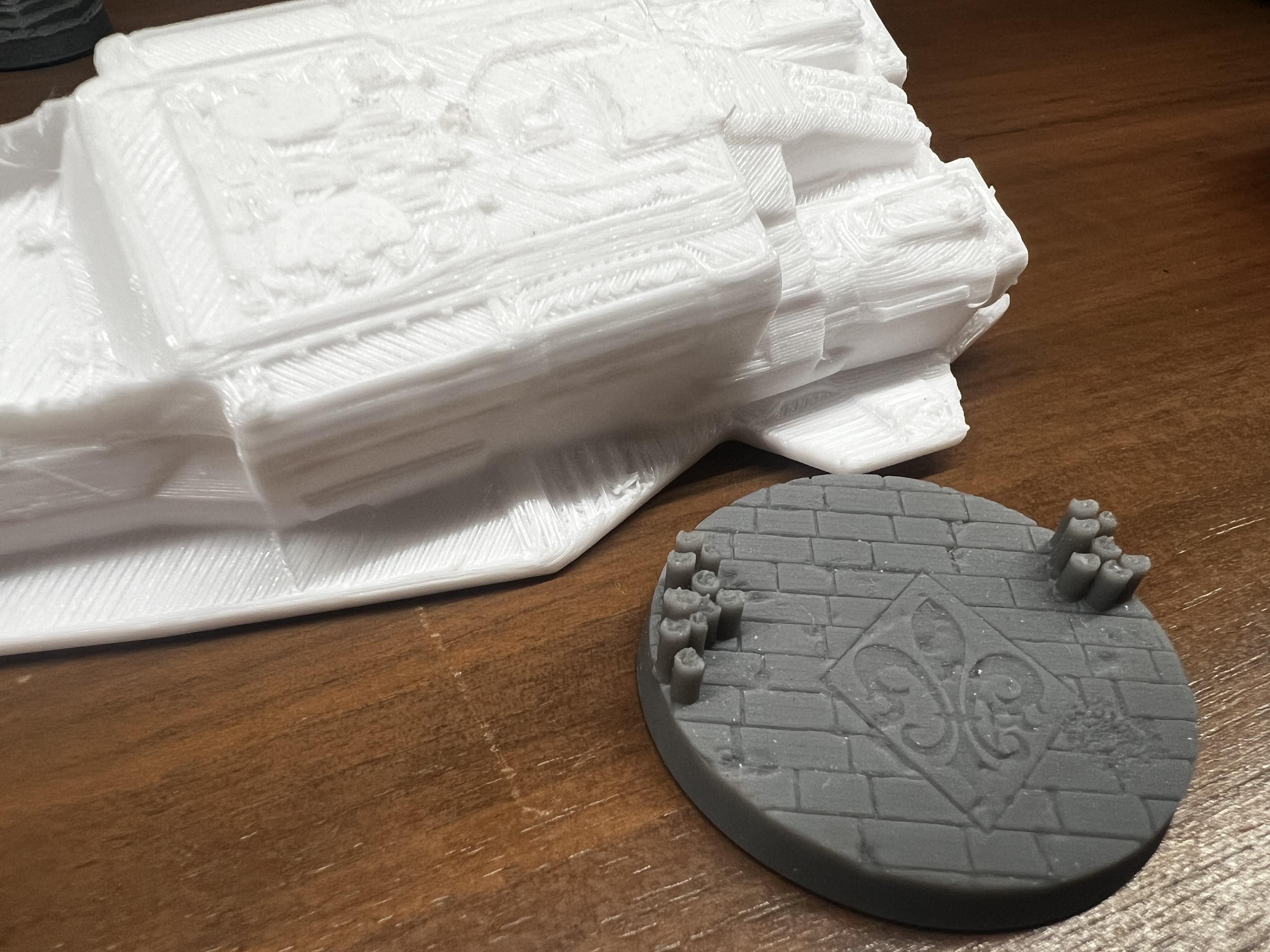
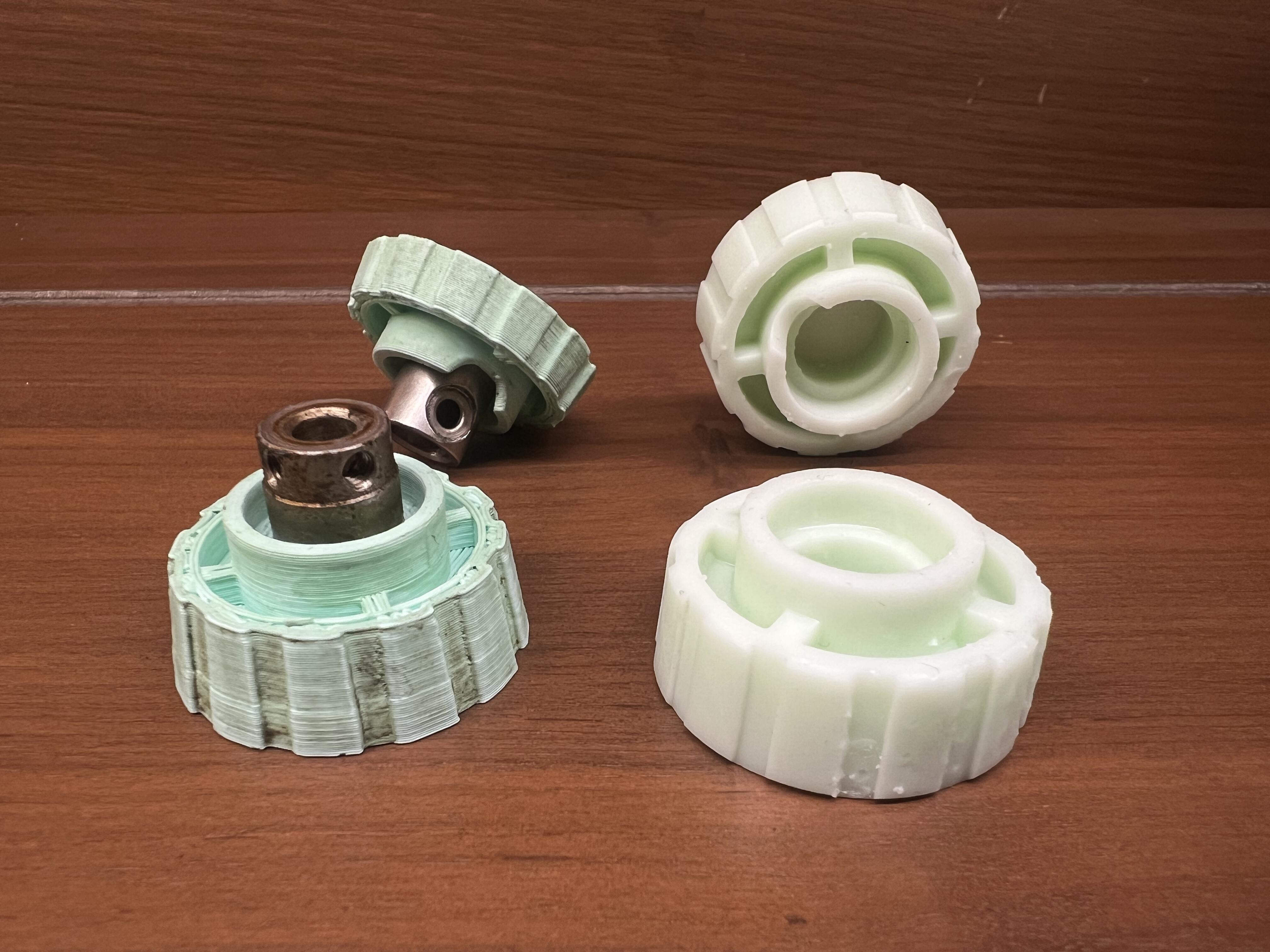
As an example, here on the left you can see a common example of FDM output. While not representative of the finest work one can get, it's an average output you might expect.
By contrast, resin printing (also known less memorably as MSLA) is quite literally a
deep pool. Really, you start with a vat of resin, a basin with this UV-sensitive liquid
that has a clear bottom, and instead of adding layers from the top, it simply pulls the
object out of thin air liquid. As a perk, it's capable of creating incredibly fine
layer details; volumetric "pixels" in the couple-dozen-micron size, levels of detail
that are barely perceptible to the human eye when prints are properly laid out. This
detail really opens the door to some incredible results (see some examples below) — but what's the catch, why aren't
all makers ditching their FDM printers in favor of this magic printer?
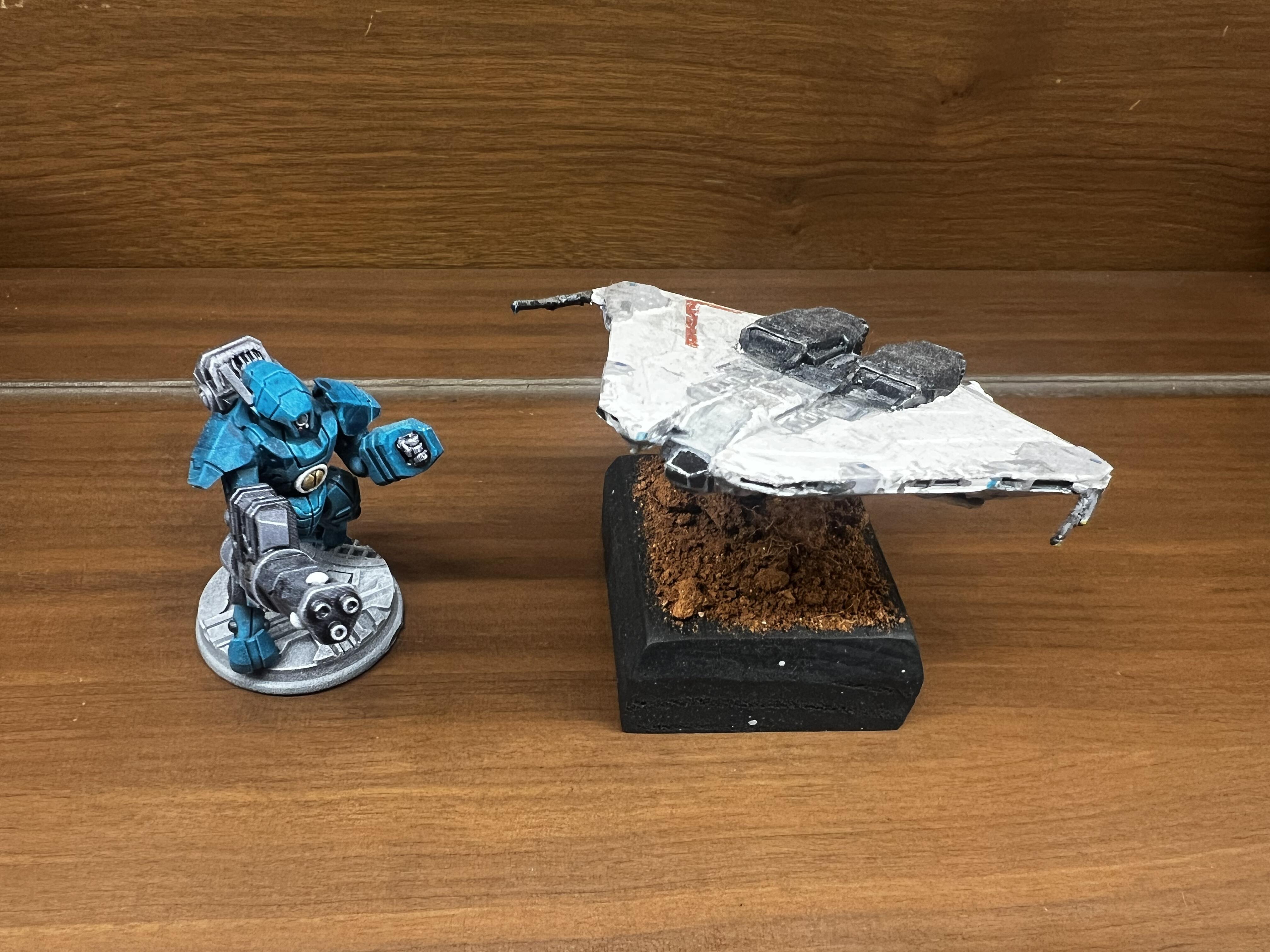
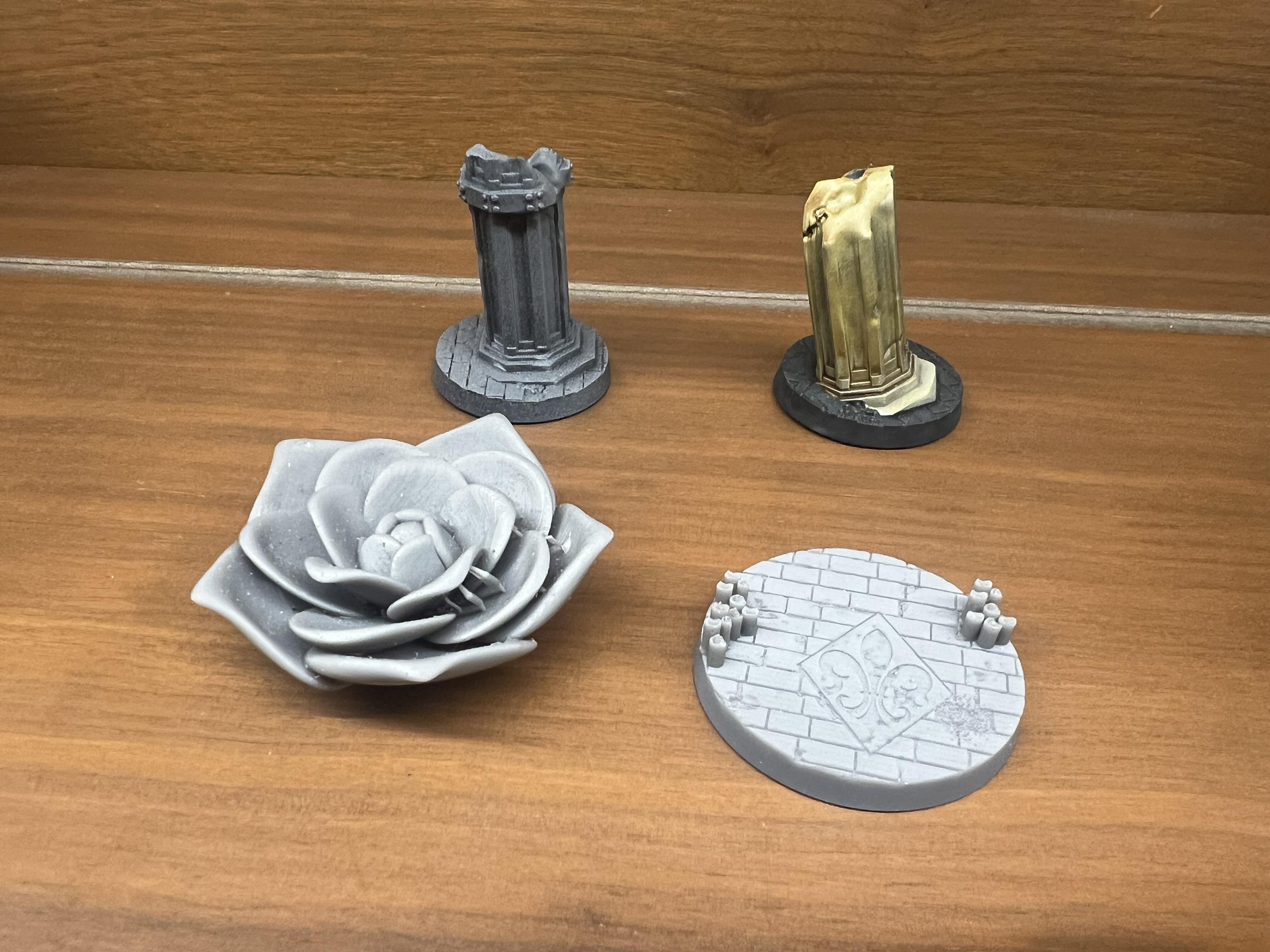
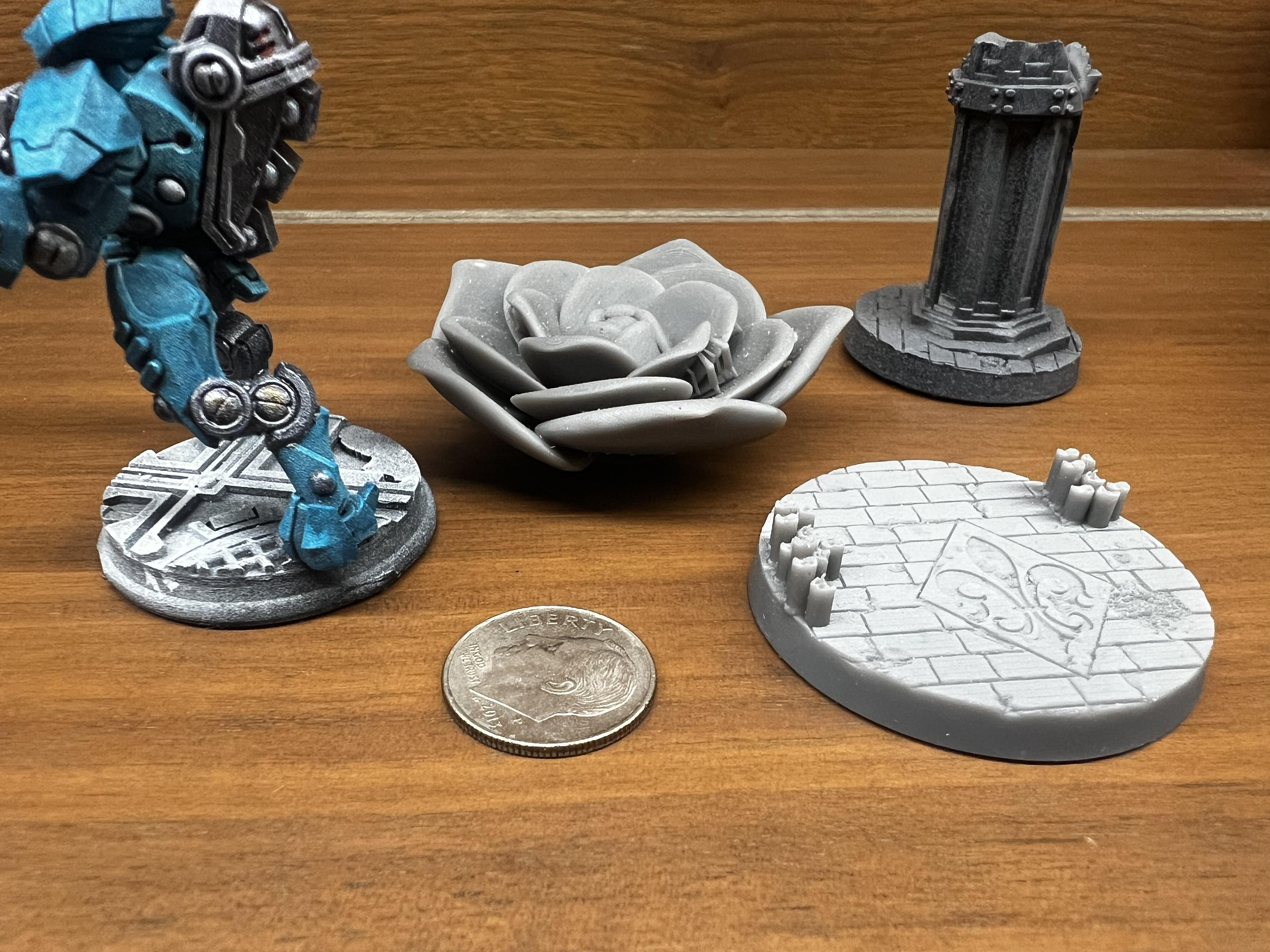
Oh, what's that you say? The resin is toxic and requires lots of post-processing in aggressive solvents? Ahhhh, I see.
The dangers of resin printing (and UV resins generally) aren't really fully understood yet, but the dangers which are understood can still pose a real hurdle to someone who would like to start printing typewriter elements in their room. Modern resins are usually sensitizing, often leading to allergic reactions after repeated exposure. When heating in the curing process, the resins can cause serious burns (walking outside without realizing you have a bunch on you).
Perhaps worst of all on the resin side is that we don't actually understand the long-term health consequences. While we do know that you can develop an allergy, there may be yet-unknown impacts these compounds have on us. Lastly, the solvents used to wash prints are known to have some serious long-term health consequences; mineral spirits happen to be one of the popular solvents for this, but using it in a non-ventilated area without an organic filter on a respirator would be decidedly imprudent. These are risks that are very well understood, but easy to overlook once it damages your ability to be offended by the smell.
So then Just Avoid them?
While I've been having some spectacular results with my printer (an Elegoo Saturn 3) and I wanted to start off with a grounded first post. Before showing off the incredible prints and wild detail, I'm hoping to give a slightly more measured first take. Setting up a safe printing space requires good ventilation, space away from pets or children, away from exterior light, and which can be covered in liquid plastic (don't do this over a carpet you like; you will spill some sooner or later), and ultimately makes the area a bit of hazmat zone. You can't exactly set it up in the house and expect it not to cause trouble, but outside of the house and you'll be at the mercy of the climate (resin printers performs poorly in the cold).
During a discussion with some folks I voiced the opinion that everyone has a different tolerance for risk, and I think that still summarized my take here. Many of the videos and guides out there gloss over how messy, smelly, and space-hogging resin printing is compared to FDM, and folks deserve to know. Looking back, if I could give past me a go/no-go on diving into the resin scene, I'm slightly on the side of staying away from it. It has opened tons of exciting doors and I'm excited to have one to use, but it's not all sunshine.
With that disclaimer out of the way, here's a pair of Hermes 3000 knobs to compare the print quality side by side - this stuff is really neat.
Whether it turns out a printer is in your future or not, be safe and happy typing out there!
