New Approaches for Old Parts
Exploring the possibility of using a laser cutter to create blanks for forming new keyrings on the Erika M
Earlier this year I got my hands on a project Erika M, it was mostly in good shape, however the keyrings had been through the ringer! The previous owner had been attempting a repair to replace some terribly aged and nearly-illegible key legends. It was a job that definitely needed to be done, but as with many projects, it became a bit of a hydra and each step forward required two more steps to catch up.
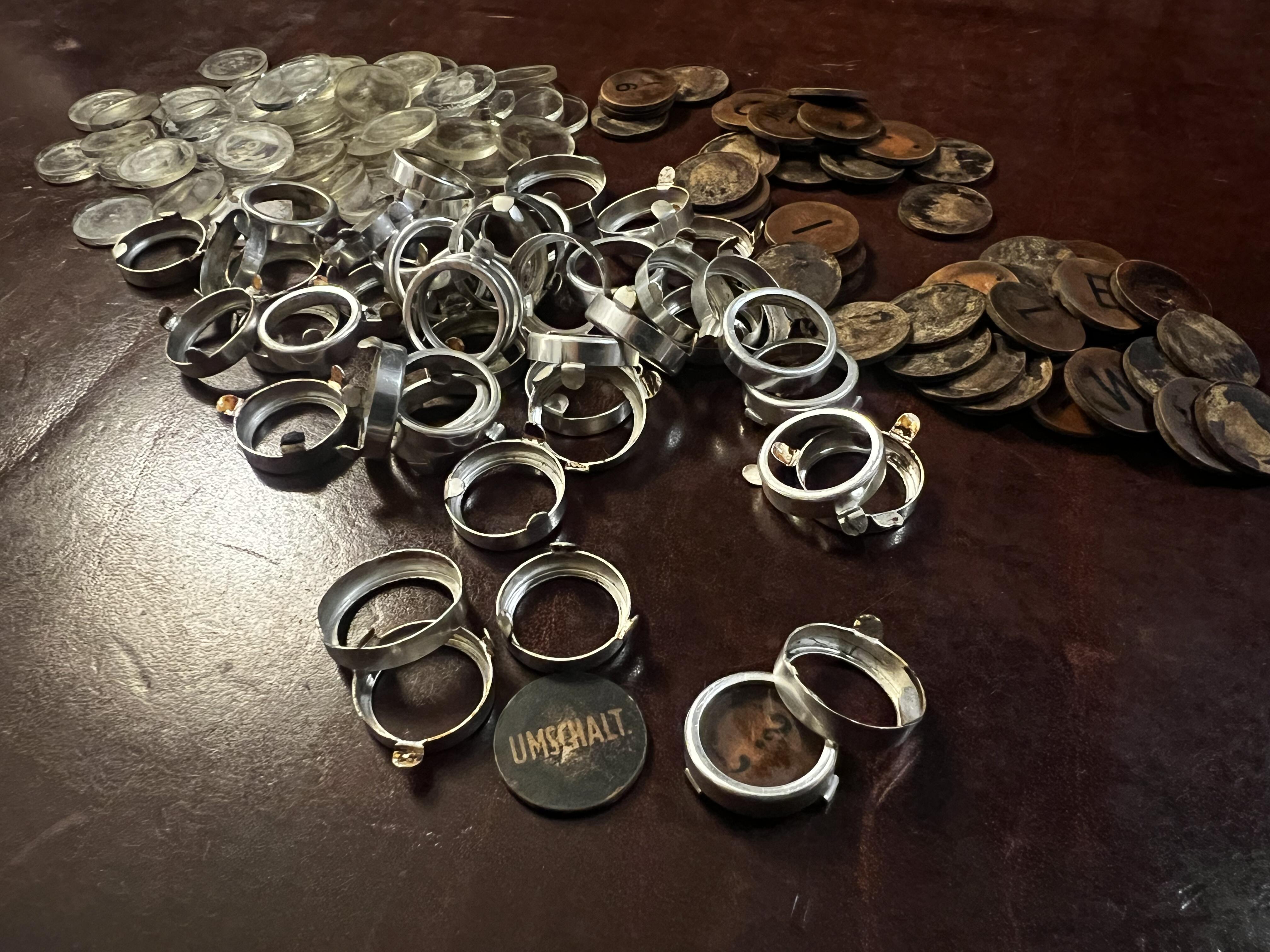
Despite using a pair of nice keyring pliers and taking their time, many of the keyrings were damaged. Many of the Erika machines and other contemporaries appear to use very thin keyrings, which have small tabs that bend under the key itself and are prone to work hardening. Based on this they appear to be semi-consumable parts. After all, back in the day when these parts were still being manufactured and often re-used across makers (at least in Europe) this allowed them to be quite cheap.
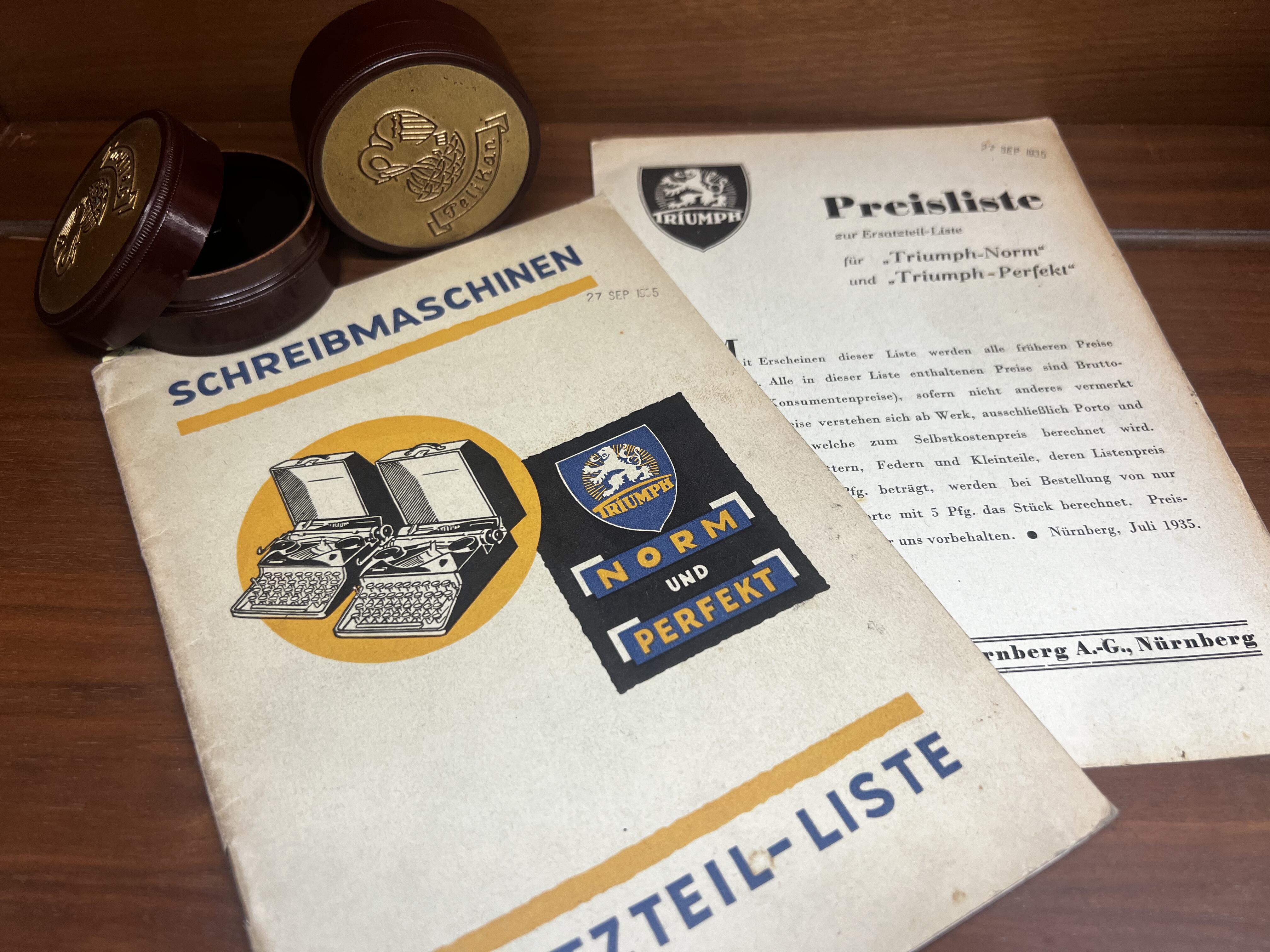
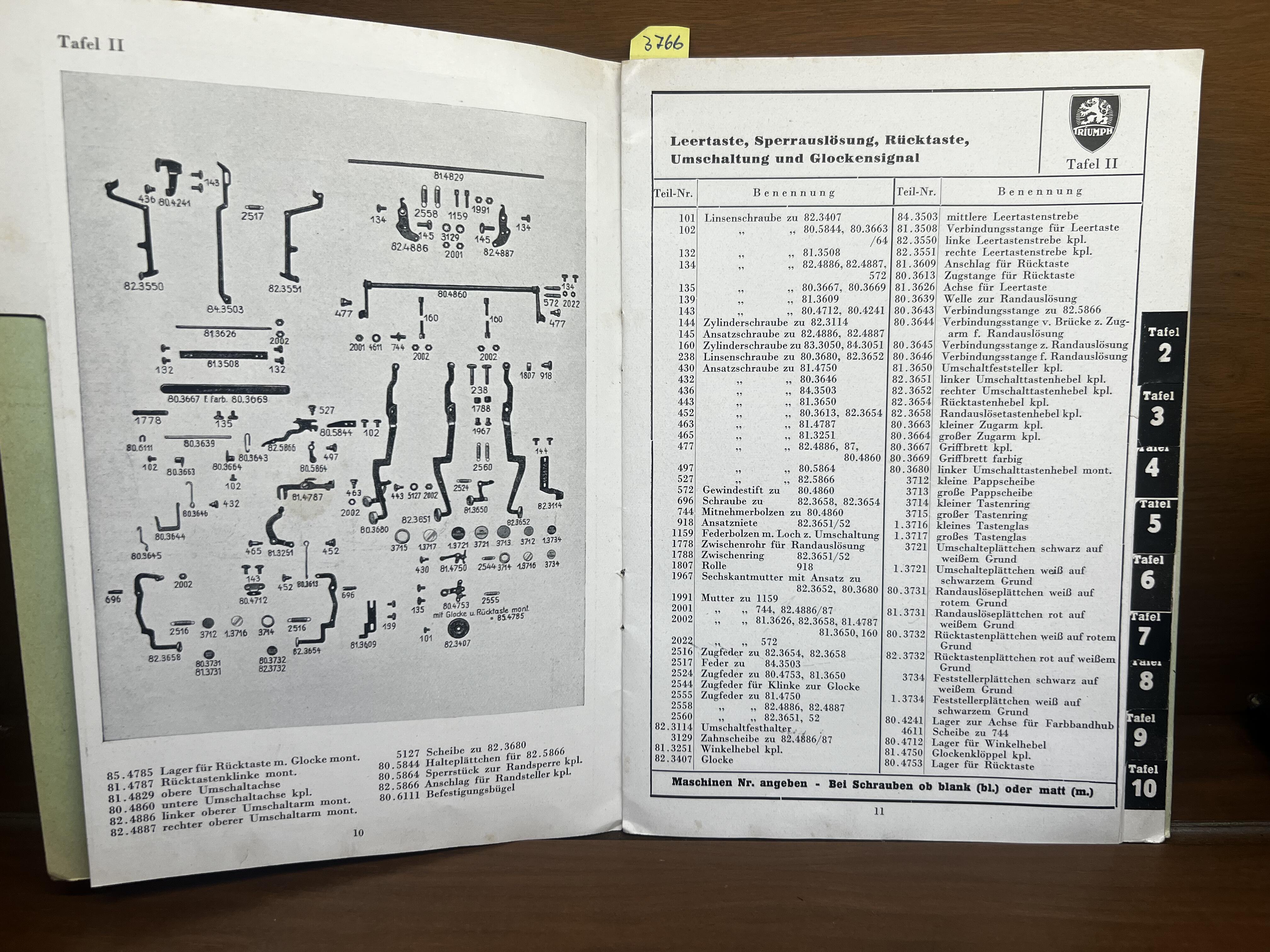
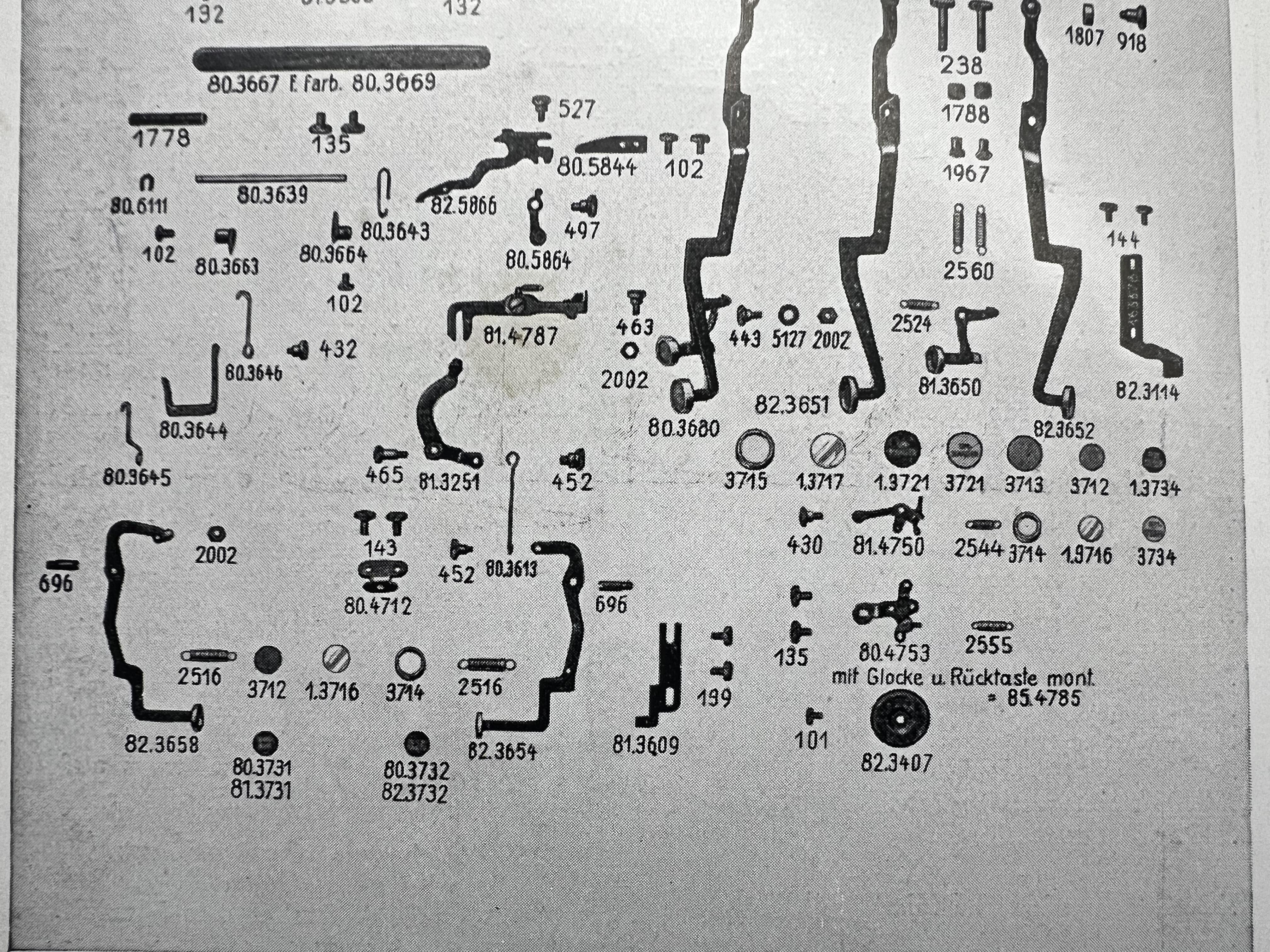
As an example, let's look at one of the price lists for the Norm and Perfekt models from Triumph back in 1935. These would have been contemporaries to the Erika M here that is on the bench. Based on the parts diagrams, it seem the keyrings are part numbers 3714 / 3715 and were a modest 0.04 and 0.05 R.M. each. Given that the Reichsmark seemed to have about a 2.5:1 ratio with the dollar in 1935 and that $0.02 in 1935 is worth about $0.50 today, I think it's safe to say that these would have been reasonable to replace if you happened to break a few while doing some typewriter dental work.

Were the Tabs a Bad Idea?
Regarding the tabs themselves, they actually hold quite well on the machine, however they seem to get brittle after being removed even a single time. They do have a tendency to loosen up a bit however and can result in legends rotating in place if they are not sufficiently secure. Regarding attempts to re-use them, the core issue is that the tabs get brittle quickly.
It's possible that they could be annealed (a heat treating process to soften the metal) however this is a bit of a non-starter since many of the tabs break off when being removed for the very first time and it is not possible to anneal them while they are still on the machine. In the images below you can really see how warped they get; the pliers themselves are not really ideal for this unseating task, though they do work fairly well for seating and bending the tabs into place when installing them.
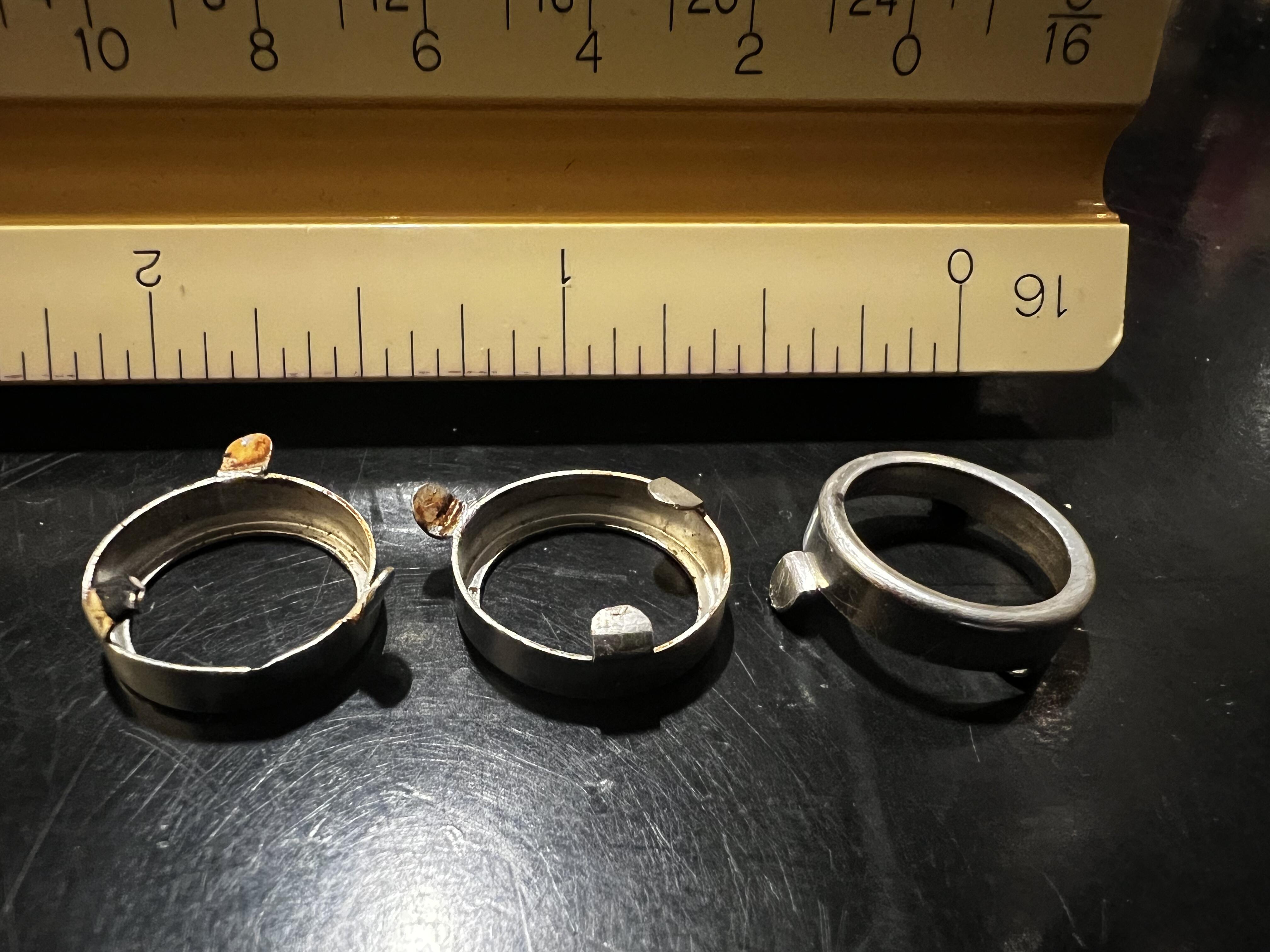

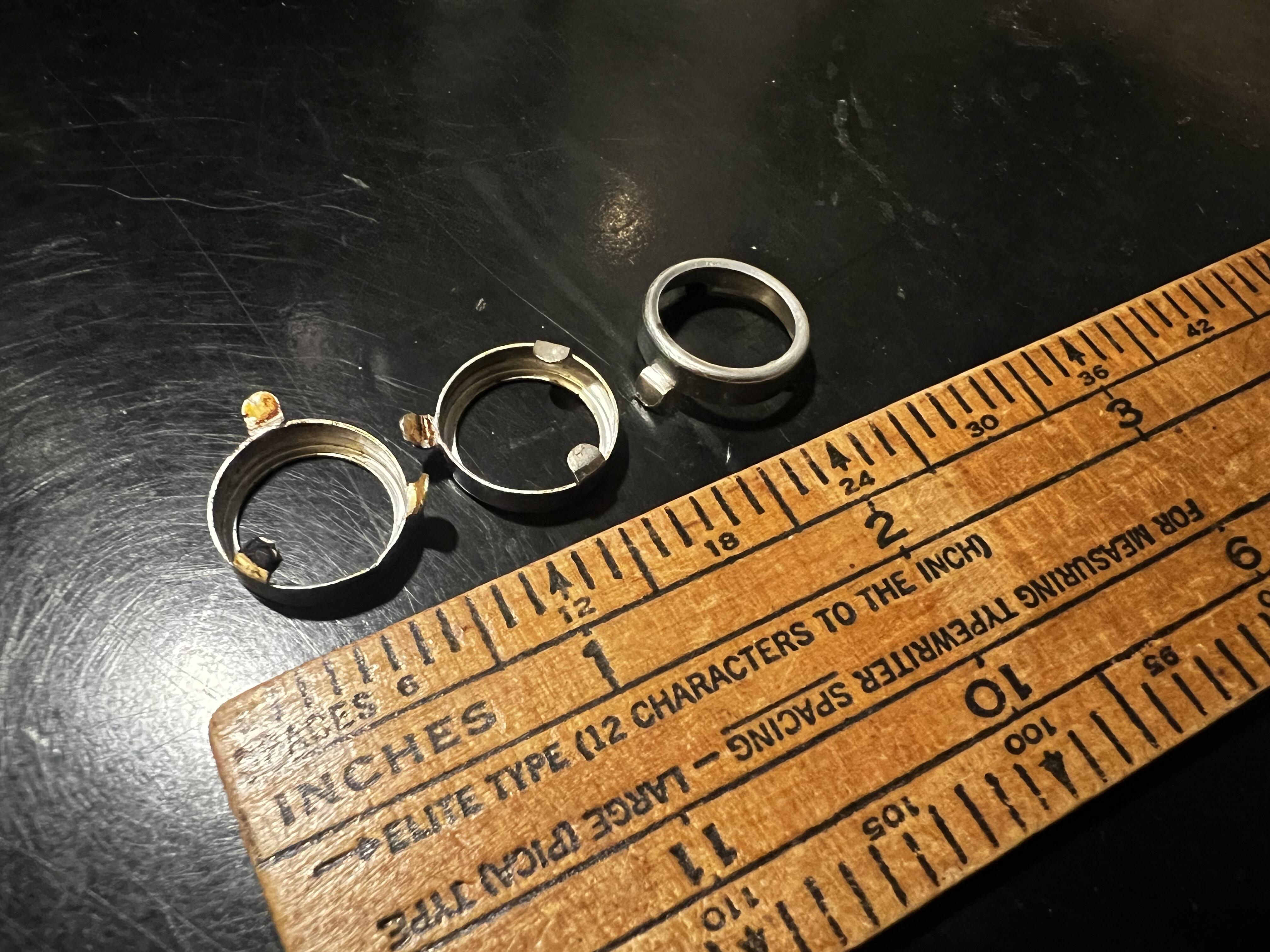
So what can one do when a part is hard to source, doesn't have a modern equivalent, and is consumable? One option is to use new old stock and used parts. While I am grateful to the folks who have made it possible in the past, these are expensive solutions and not very sustainable in the long run. Especially with the popularity of Y-Z swaps like those done on this other Erika M, it seems like a source for new ones could be pretty valuable.
Recently I started setting up a fiber laser, an engraving laser which is capable of doing limited depth engraving in metal, and is capable of full-depth cuts in very small thicknesses. Of note, the factory rings are made from aluminum (a soft metal that can be lasered) and is a mere 0.25mm... So, off I set in the interest of trying to laser-cut a blank that might be formed into a new keyring. This turned out to be relatively straightforward in Lightburn (a laser design software) and I was to generate a rough prototype here.
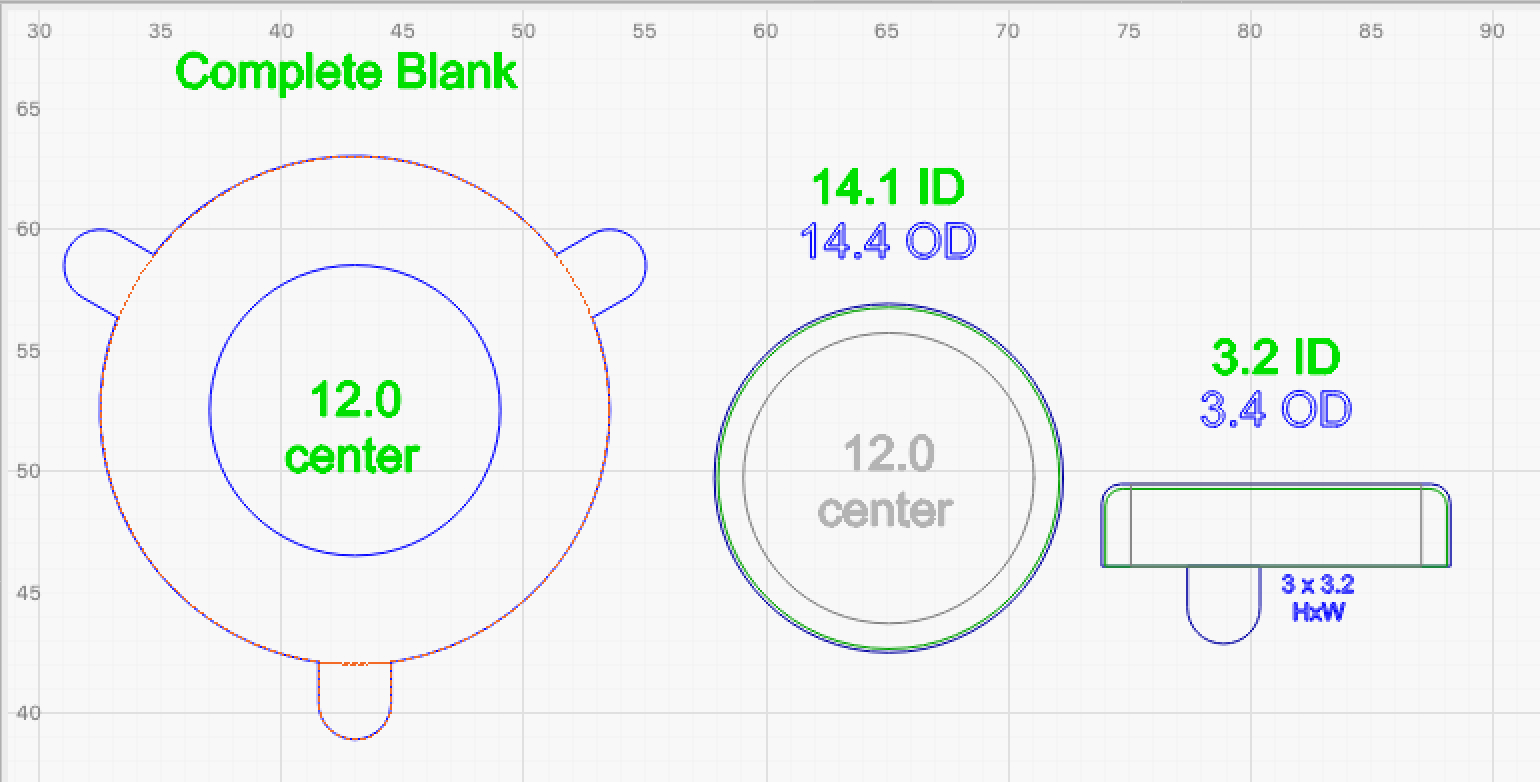
Once it came time to actually start cutting some, lessons were quickly learned about the importance of a cutting pad and avoiding through-cutting on similar surfaces - it very nearly managed to weld the blank onto the sacrificial plate below! It was still a relatively simple process and finished in about 30s. While I don’t think that this would be scalable for the long run it's nice to have the option for cutting oddball shapes. In the future it would be ideal to have a die which is capable of cutting out the blank on a press and then having a second stage to actually form the ring itself.
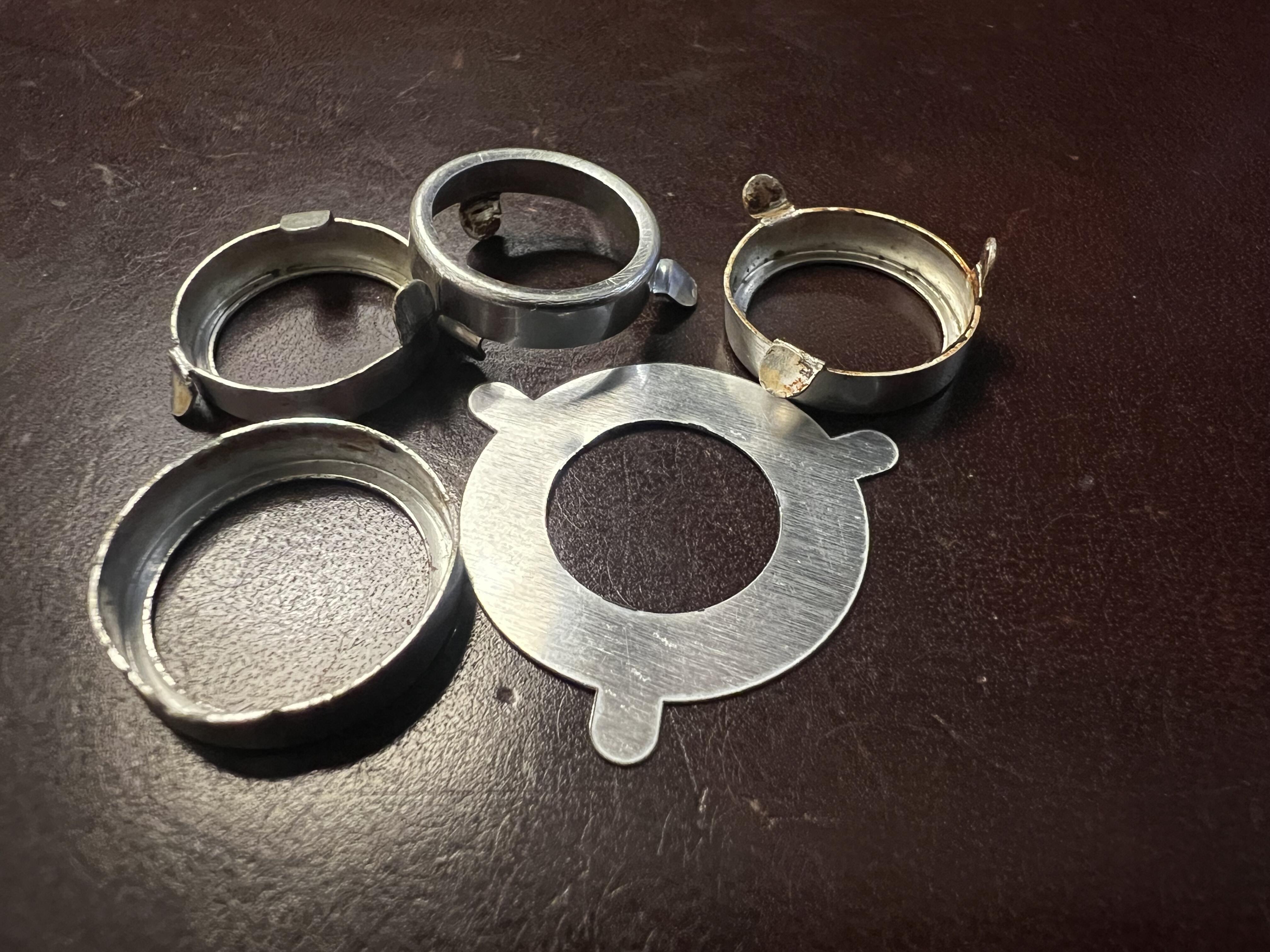
Presently the die is a work in progress, but it is encouraging to see the blank was easy enough to make. I am fairly confident that these aluminum ones will come together, but I am a little less sure that it could be done in the steel or chrome-plated brass ones used by other manufacturers. Additionally, using aluminum here should make the process a bit easier given how generally soft the material is.
In reality, this is probably something which would be more cost-effective to source from used machines, however it is neat to think of how this might be an option for some of the more obscure machines out there! In the meantime, happy typing and be gentle on those keyring pliers if you're pulling any keytops!
